
Rolling Scars is a concern we see constantly at RAI Aesthetics, and one that causes a great deal of frustration — often because the underlying cause is misunderstood, and the advice online is contradictory. People try product after product, sometimes making things worse, when what they really need is to understand the mechanism first. This guide explains what is really happening in the skin and, more importantly, what genuinely helps it recover.
Understanding the concern
To treat rolling scars effectively, it helps to understand how it forms. The skin is a living, layered organ, and most visible concerns begin with a disruption beneath the surface — whether in oil production, pigment cells, the skin barrier or the collagen scaffolding that keeps skin firm and smooth. What shows up on the surface is usually the final expression of a process that began deeper down, often weeks earlier.
This matters because it explains why quick fixes so often disappoint. Treating only the visible symptom — the spot, the mark, the line — without addressing what is driving it means the concern simply returns. Rather than chasing symptoms, a considered approach looks at the root: what is driving the change, which daily habits worsen it, and which targeted steps bring the skin back toward balance and keep it there.
What makes it better — and worse
Certain factors reliably aggravate rolling scars: sun exposure, a damaged skin barrier, harsh over-treatment, and inconsistency. UV light in particular worsens almost every skin concern, from pigmentation to ageing, and is the single most important thing to guard against.
On the other side, gentle consistency wins. A calm, well-chosen routine used daily outperforms aggressive treatment that inflames and sensitises the skin.
How RAI skincare supports the skin
For this concern, True Glow Post Laser Intensive Recovery Serum is the most relevant part of the RAI True Glow range. It is formulated with plant-based ingredients and free from steroids and hydroquinone, so it supports the skin without the risks associated with those harsher agents.
Used consistently as part of a simple routine, it helps move the skin toward a healthier, more balanced state — whether that means calming inflammation, clearing excess oil, brightening pigment or supporting firmness.
Building a daily routine
Consistency is what transforms skin, and a routine only works if it is simple enough to keep. For most concerns, three steps are enough: cleanse to remove the day's build-up and prepare the skin, treat with targeted serums that address your specific concern, and protect with daily sun defence. Layering too many products, or switching them constantly, tends to overwhelm the skin and stall progress.
Morning routines should focus on protection — antioxidants and sun defence to guard against the day's damage. Evening routines are for recovery — cleansing away the day and applying nourishing, reparative ingredients while the skin does its overnight renewal. Giving each new product several weeks before judging it prevents the frustrating cycle of starting and stopping too soon.
When to see a professional
Home care resolves many concerns, but some need clinical input. If rolling scars is persistent, worsening, painful or leaving marks, a consultation is worthwhile. In-clinic options — from chemical peels and lasers to energy-based tightening such as HIFU and Morpheus8 — can address deeper causes that topical products alone cannot reach.
Crucially, these procedures work best alongside a supportive daily routine. This is where the RAI philosophy comes in: recover then maintain. After any procedure, calm and nourish the skin with the True Glow Post Laser Intensive Recovery Serum to reduce inflammation and lower the risk of pigmentation, then maintain and build on the result with the Ultimate Facelift Serum. Treatment and home care are partners, not alternatives.
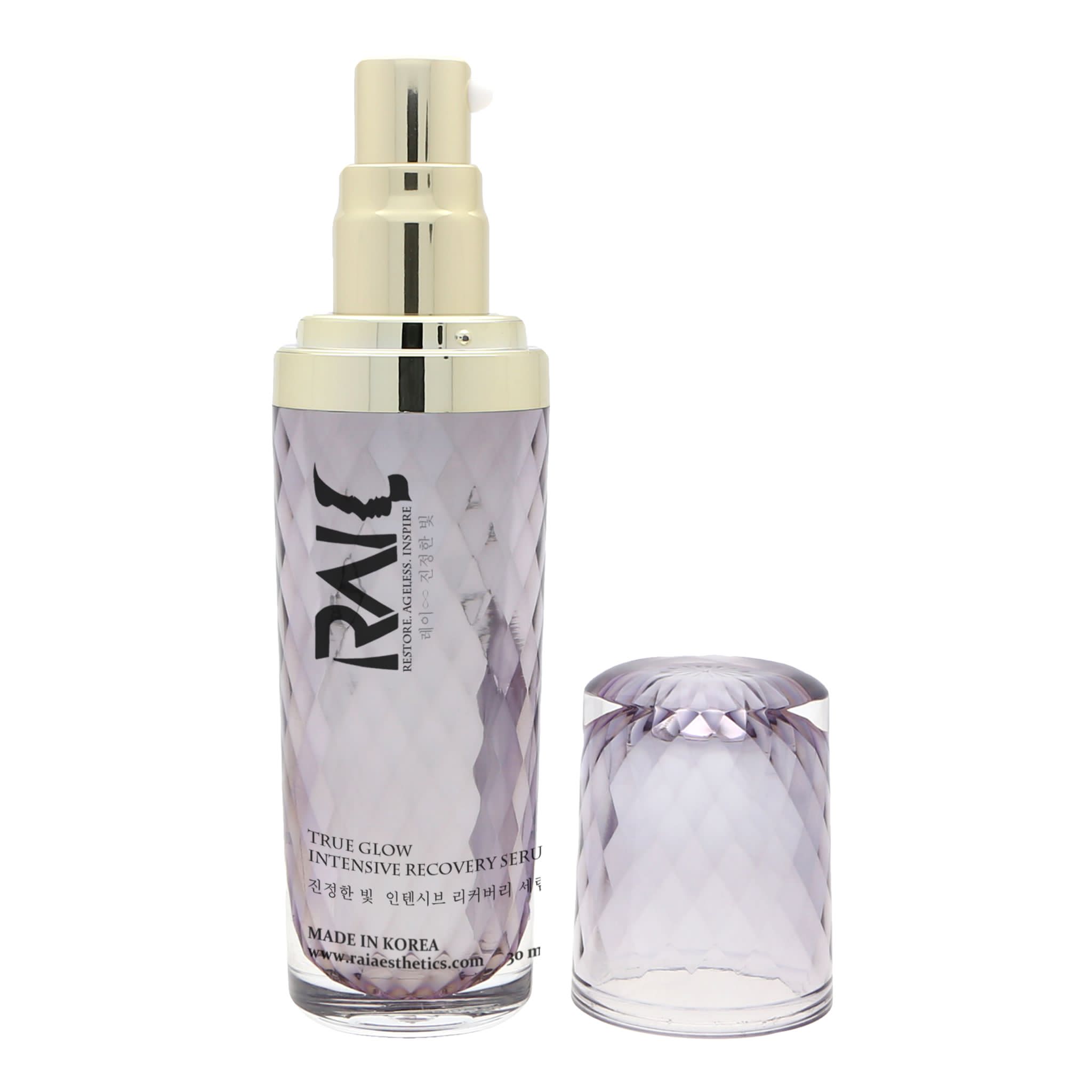
True Glow Post Laser Intensive Recovery Serum
The first step to calm, nourished, recovering skin.
View product →Rolling Scars responds best to understanding its root cause, protecting against the sun, and treating gently and consistently rather than aggressively — supported by the right recovery-focused routine.