
Acne is the most common skin concern in the world, yet it remains one of the most misunderstood. It is not a question of poor hygiene or eating the wrong food — it is a complex interaction between oil, dead skin cells and bacteria within the hair follicle. Understanding how those three factors work together is the first step to genuinely clearer skin.
What is actually happening in your skin
Every pore on your face is connected to a sebaceous gland that produces sebum, an oily substance designed to lubricate and protect the skin. When these glands become overactive, they produce more sebum than the skin can shed. That excess oil mixes with dead skin cells and clogs the follicle.
Once the follicle is blocked, a naturally occurring bacterium called Cutibacterium acnes (formerly Propionibacterium acnes) begins to multiply in the trapped oil. The immune system responds with inflammation, and the result is the redness, swelling and pus we recognise as a pimple.
The acne triangle
Dermatologists often describe acne as a triangle of three contributing factors: excess sebum production, poor shedding of dead skin cells, and bacterial overgrowth. A breakout only forms when these factors overlap, which is why treating just one of them rarely solves the problem completely.
Effective routines address all three points of the triangle at once: controlling oil, encouraging gentle exfoliation, and keeping the bacterial population in check without stripping or damaging the skin barrier.
Building a routine that works
The foundation of any acne routine is a well-formulated cleanser that removes excess oil thoroughly without over-drying. Stripping the skin backfires — it triggers the glands to produce even more oil. A gentle but effective cleanse, morning and night, keeps the follicle openings clear.
For acne-prone and oily skin, the RAI True Glow Purity Cleanser is formulated to target this exact concern: it cleanses away excess oil thoroughly while helping to keep pores clear, without leaving skin tight or irritated. Consistency matters more than intensity — a calm, steady routine beats aggressive treatment that inflames the skin further.
When to seek professional help
Mild acne often responds to a good home routine, but persistent, painful or scarring acne deserves professional input. Treatments such as chemical peels, lasers and prescribed topicals can address the underlying oil production and bacterial load more decisively. The goal is always to bring active acne under control before it leads to scarring, which is far harder to treat than the acne itself.
The RAI recover-then-maintain approach
Whatever your skin concern, the principle behind the RAI True Glow range stays the same: help the skin recover first, then maintain the result. After any treatment or during any flare, the skin is at its most vulnerable — and its most receptive. Calming inflammation and supplying the right nutrients during this window makes a real difference to how the skin heals and how it looks afterward.
That is the role of the two-step ritual. The True Glow Post Laser Intensive Recovery Serum is step one — used two to three times a day after a laser, HIFU, Morpheus8, extraction or cleansing facial to reduce inflammation, deliver optimal nutrients for skin synthesis and lower the risk of post-inflammatory pigmentation. From two days later, the True Glow Ultimate Facelift Serum becomes step two, used twice daily to tighten, nourish and brighten for lasting radiance.
Every formula in the range is plant-based and free from steroids and hydroquinone, so you support your skin without the risks those harsher agents carry. Paired with daily sun protection and a gentle, consistent routine, this is how skin is guided back toward health — and kept there.
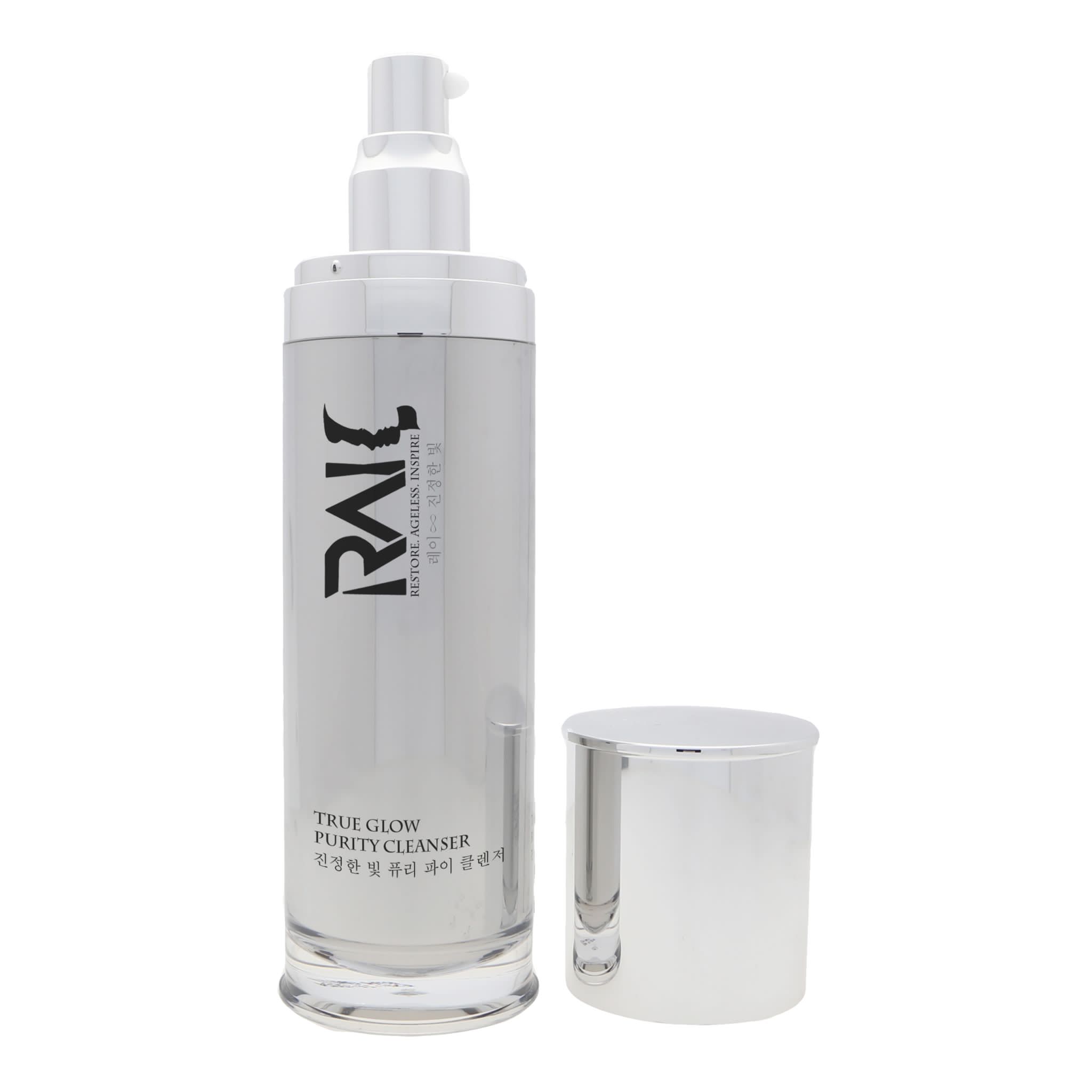
True Glow Purity Cleanser
A deep, thorough cleanse for oily and acne-prone skin.
View product →Acne is manageable once you understand the triangle behind it. Control oil, keep pores clear, calm inflammation — and treat consistently rather than aggressively.