You expected to leave acne behind in your teenage years, yet here it is in your thirties or forties — appearing along the jaw and chin, flaring with your cycle or during stressful periods. Adult hormonal acne is extremely common, particularly in women, and it responds to a different approach than teenage breakouts.
Why hormones drive breakouts
Androgens — hormones present in everyone but fluctuating throughout the menstrual cycle — stimulate the sebaceous glands to produce more oil. When androgen activity rises, oil production surges, follicles clog more readily, and inflammation follows. This is why hormonal acne often appears in the days before a period.
Stress compounds the problem. The stress hormone cortisol further stimulates oil production and inflammation, which is why breakouts so often coincide with demanding weeks.
The tell-tale pattern
Hormonal acne has a recognisable signature: deep, tender bumps concentrated around the lower face — the jaw, chin and neck — rather than scattered across the forehead. The lesions are often cystic, sitting under the skin rather than coming to a head, and they tend to recur in the same spots.
How to manage it at home
Because hormonal acne is oil-driven, thorough yet gentle cleansing is essential. The RAI True Glow Purity Cleanser helps clear excess oil and keep pores clear, giving the skin a calmer baseline. Avoid the temptation to scrub or over-treat cystic lesions — this only deepens inflammation and raises the risk of scarring.
Supporting the skin barrier with hydration and calming ingredients helps too, since barrier damage makes inflammation worse. A steady routine that controls oil without stripping is the aim.
When to consider medical support
Persistent hormonal acne often benefits from professional treatment. Options range from prescribed topicals to in-clinic procedures that reduce oil production and inflammation. If breakouts are leaving marks or scars, seek help sooner rather than later — preventing scarring is always easier than treating it.
The RAI recover-then-maintain approach
Whatever your skin concern, the principle behind the RAI True Glow range stays the same: help the skin recover first, then maintain the result. After any treatment or during any flare, the skin is at its most vulnerable — and its most receptive. Calming inflammation and supplying the right nutrients during this window makes a real difference to how the skin heals and how it looks afterward.
That is the role of the two-step ritual. The True Glow Post Laser Intensive Recovery Serum is step one — used two to three times a day after a laser, HIFU, Morpheus8, extraction or cleansing facial to reduce inflammation, deliver optimal nutrients for skin synthesis and lower the risk of post-inflammatory pigmentation. From two days later, the True Glow Ultimate Facelift Serum becomes step two, used twice daily to tighten, nourish and brighten for lasting radiance.
Every formula in the range is plant-based and free from steroids and hydroquinone, so you support your skin without the risks those harsher agents carry. Paired with daily sun protection and a gentle, consistent routine, this is how skin is guided back toward health — and kept there.
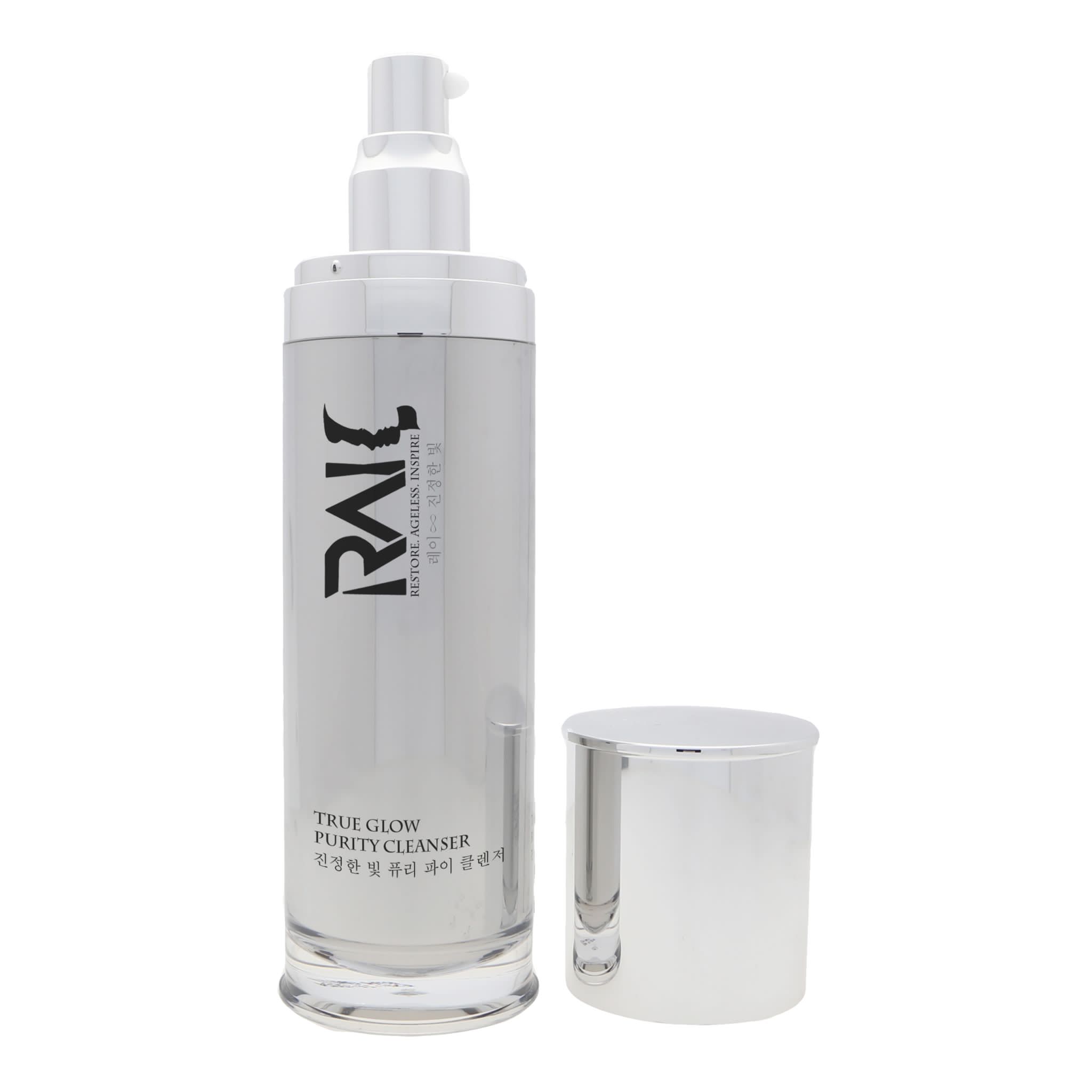
True Glow Purity Cleanser
A deep, thorough cleanse for oily and acne-prone skin.
View product →Adult hormonal acne is oil- and inflammation-driven. Cleanse thoroughly but gently, resist over-treating, and seek professional help early if it scars.